
Intro
I’m going to assume you are a beginner in Spanish. Maybe you’ve studied it before, but you never went beyond a beginner level and probably have not spoken enough to develop any kind of accent. This is a good situation to be in because you don’t have to unlearn anything. Many students learning a new language learned bad pronunciation from a non-native speaker in school and have developed a strong accent. These students have to unlearn their bad pronunciation and re-learn with good pronunciation, which is more difficult than doing it right from the beginning.
As I explained in the previous tutorial, Spanish is a relatively phonetic language. The pronunciation of words is very predictable. It only takes about a month to learn the pronunciation system of Spanish. However, it will take you years to develop a comfortable accent that you can call your own.
Latin American Spanish vs. Castilian Spanish
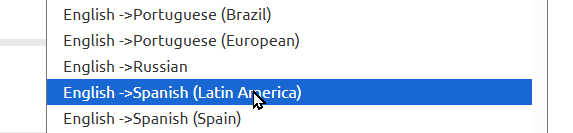
There are so many different accents in Spanish that it can be difficult to decide what kind of accent you want to have. In general, there are two major categories in Spanish pronunciation: Latin American and Castilian Spanish (Spanish of Spain). You’ll want to choose one or the other. I can’t tell you which one you should choose because it really depends on you and your situation. If you’re living in the US, you’ll probably want to choose Latin American Spanish because most Spanish-speaking people in the US are Latin American. This doesn’t mean you won’t be able to understand Castilian Spanish. It’s just an accent, like British vs. American English.
Check out this video by Steve Kaufmann explaining the difference between different accents in Spanish:
When I was learning Spanish, I was interested in Latin American Spanish because I wanted to travel to Ecuador. I tried to use Latin American content as much as possible to help myself get used to the sounds and style of expression. Most of the Latin American media I found did not come from Ecuador. Most of the TV shows and movies that I found came from Mexico. In the end, it didn’t really matter. I listened to all kinds of Spanish, and it was all useful to me. None of my time was wasted.
Later, I lived in Ecuador for 2 years, and Latin American Spanish became part of my identity. Even when I was living in Spain more recently, I still spoke with a Latin American style. My accent sounds more Latin American, and I use “ustedes” instead of “vosotros.” These are very minor details, and the people in Spain understand me just fine. The important thing is that I learned correct pronunciation from the beginning from native speakers.
Resources
Fluent Forever Pronunciation Trainer Flashcards
Check out this video to get an overview of the Fluent Forever system. You can purchase and download your pronunciation trainer from the Fluent Forever website.
Make sure to watch the pronunciation videos that go with the flashcards:
Leave a Reply
You must be logged in to post a comment.