Intro
Gabriel Wyner’s pronunciation flashcards for Anki are very effective if you use them correctly. If you have not already, please watch his tutorial videos that I have linked to my English and Spanish Pronunciation Resources pages:
Despite Gabriel’s very clear instructions, I still see many students study their flashcards incorrectly. In this tutorial, I’m going to talk about the most common mistakes people make when studying flashcards, and exactly how to study the flashcards most effectively so that you can maximize your learning.
Tutorial
Let’s review the different types of cards you will see in your pronunciation flashcards deck:
- Listen and repeat flashcard
- Spelling flashcard
- Picture-word flashcard
- Word-picture flashcard
- Minimal pairs
Flashcard: Listen and repeat
This is a basic pronunciation card that you will see very often.
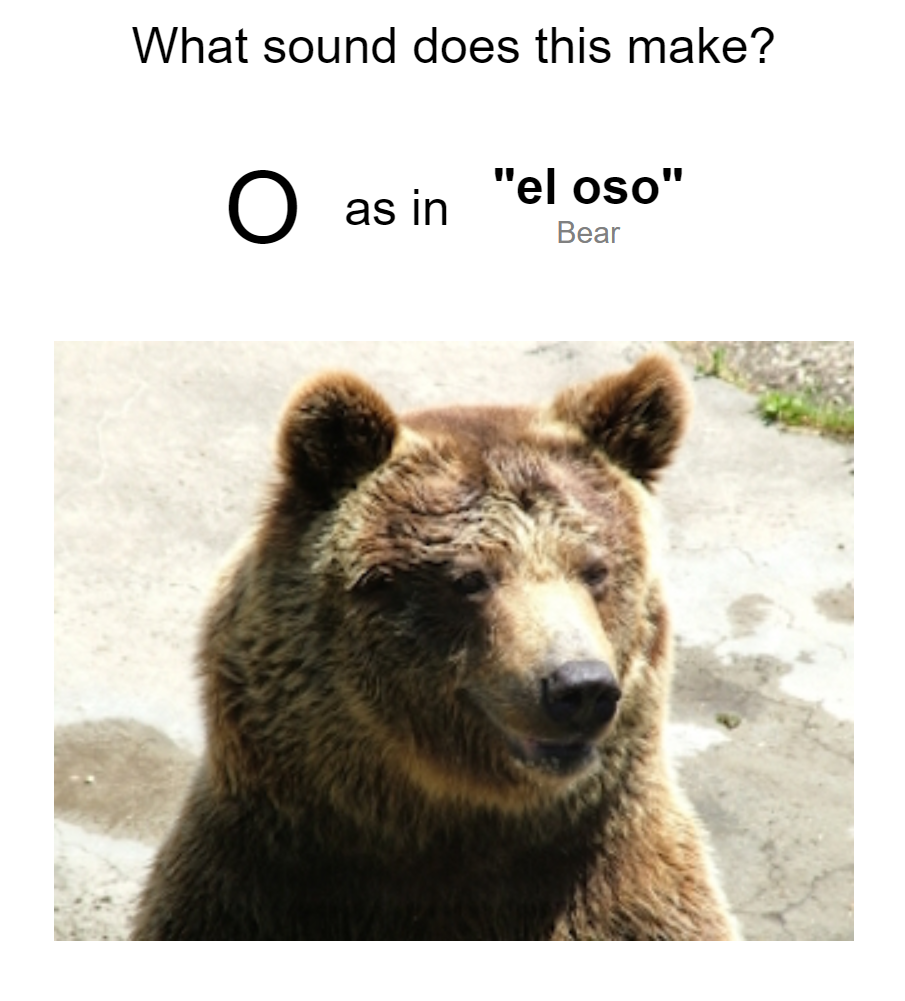
Step 1: Say the sound of the letter and the word outloud
Look at the letter and word combination. What sound does this letter produce in this word? Say the just sound of the letter outloud, then say the whole word.
Step 3: Listen to and imitate the voice of the native speaker
Press the space bar or click “Show Answer.” Now you can hear the sounds.
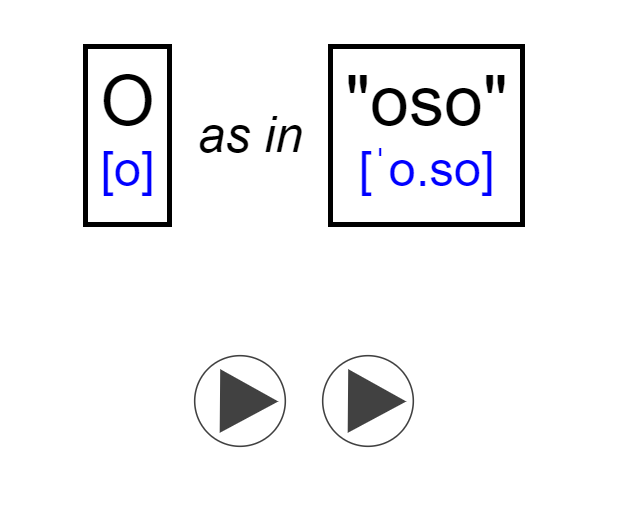
Press “R” on your keyboard to listen to the sounds again. You can also click the play button on your screen. Listen carefully and repeat the sound of the letter and the whole word one more time. Imitate the voice of the recording as much as possible.
Step 4: Grade yourself
The last step is to grade yourself. Did your pronunciation sound similar to the recording? You can replay the sound and compare your voice to the voice of the native speaker. If you want, Anki even allows you to record your own voice so you can listen to yourself.
Anki gives you 4 options to grade yourself. You will see them at the bottom of your screen.
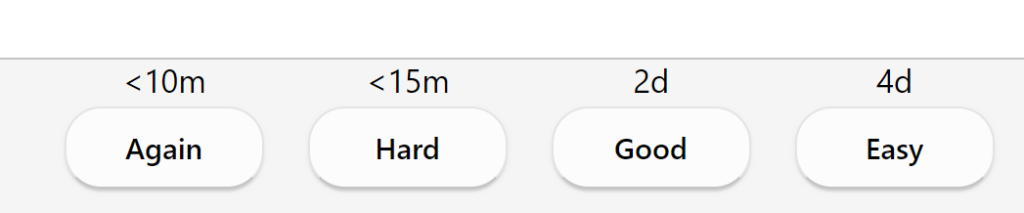
Let’s just focus on two of the options: “Again” and “Good.”
“Good” is the option that you will choose most of the time. If you think your pronunciation sounds more or less the same as the native speaker, you can click “Good.” When you click “Good,” you are telling Anki, “I know and understand this information.”
Click “Again” if you think your pronunciation was wrong. If you pronounced the word much differently from the native speaker, then you need to see this word more often so you can remember the correct pronunciation.
What about “Hard” and “Easy”? You can click “Easy” if the word is very easy to pronounce and your pronunciation is perfect. You can click “Hard” if you remembered how to pronounce the word correctly, but it took you a very long time (more than 10 seconds).
Flashcard: Spelling
This is a spelling card that you will also see very often.
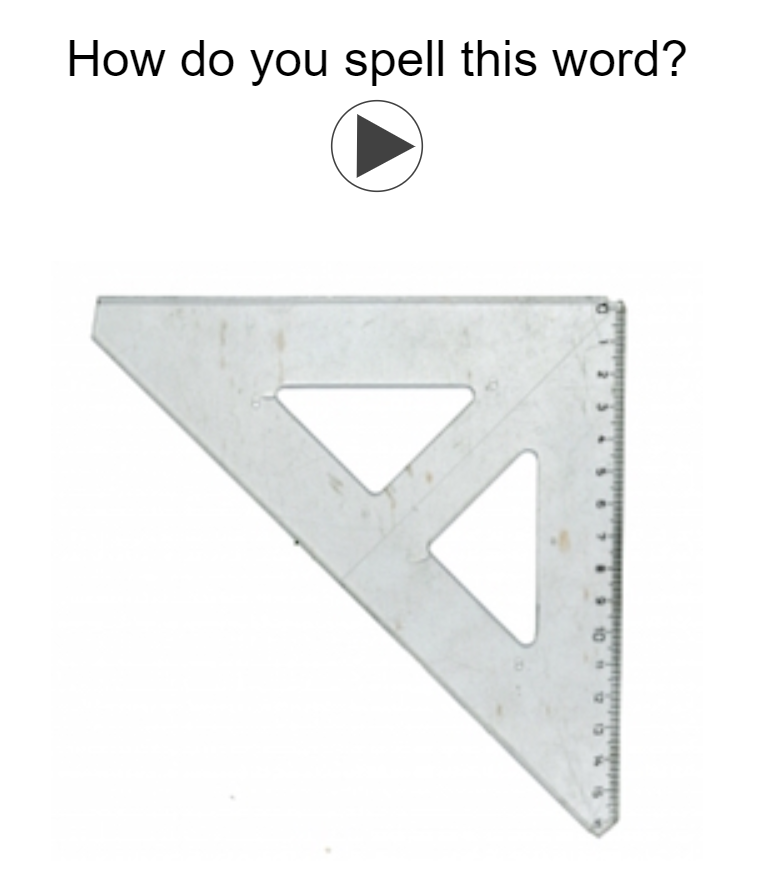
Step 1: Write the word
On a piece of paper or an erasable whiteboard, write the word that you hear. If you need to listen again, press “R” or click the play button to replay the word. Remember, Spanish is mostly phonetic. Listen carefully and sound it out.
Step 2: Check your spelling and fix it
Press the space bar or click “Show Answer” to see the correct spelling. Check your spelling. Is it correct? If it is wrong, correct it. Listen to the word and say it outloud a few times. This will help your brain remember your mistake so you don’t make it again.
IMPORTANT: If you are studying Spanish, it may be difficult for you to hear the accent of the word. Don’t worry if you can’t remember where the accent mark goes in the word. If you spell the word correctly but forget the accent mark, you still pass. I consider that a correct answer. If you also remember where the accent mark goes, great, but it’s not necessary.
Step 3: Grade Yourself
Did you spell the word correctly? If you did, you can press “Good” or “Easy.”
IF YOU SPELLED THE WORD WRONG, PRESS THE “AGAIN” BUTTON.
Flashcard: Picture-word
This is a vocabulary card. It will show you a picture and ask you how to say it in English/Spanish.
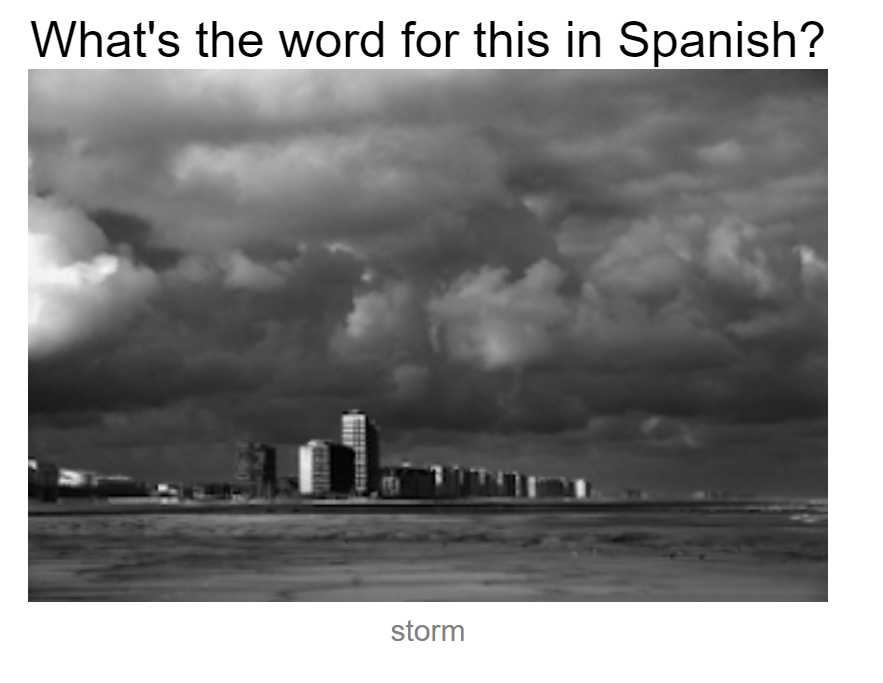
Guess the word and say it outloud. You don’t need to write the word this time. Press the space bar or click “Show Answer.”
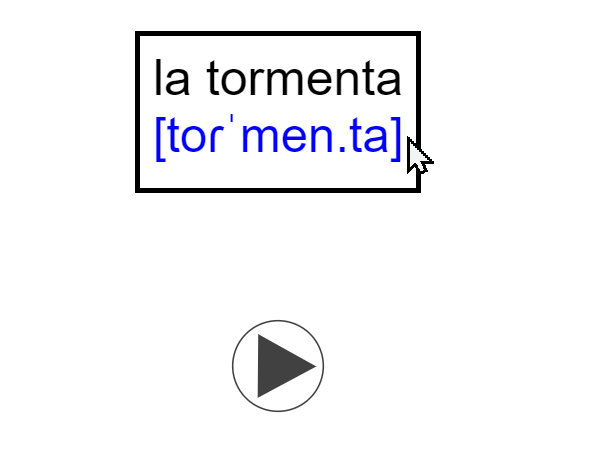
If you remembered the word, you pass. Click “Good.” If you couldn’t remember the word, you fail. Click “Again”
Flashcard: Word-picture
The other type of vocabulary card looks like this.
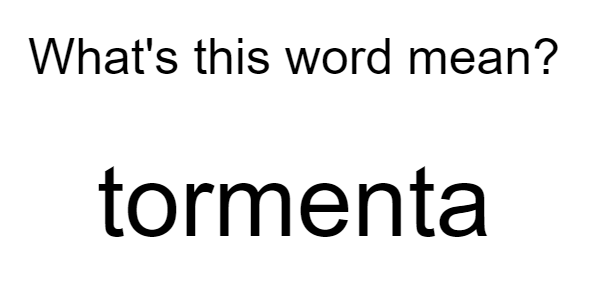
Guess the translation of the word in your native language. If you guess the correct word, you pass. Click “Good.” If you guess the wrong word, you fail. Click “Again.”
Flashcard: Minimal pair
This type of flashcard is called a minimal pair.
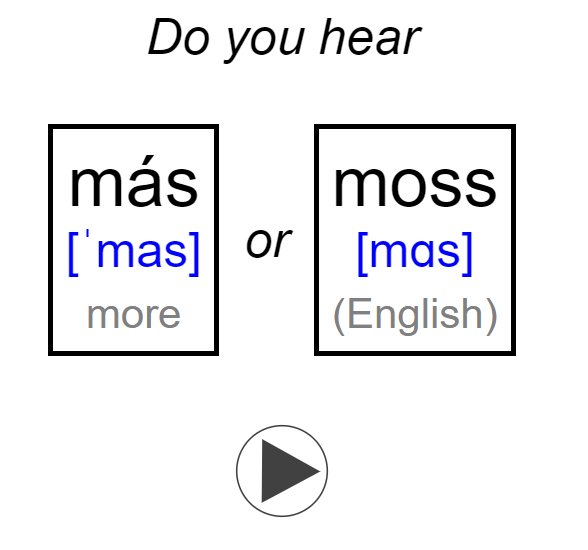
You see two words, but you only hear one. You have to guess which word you are hearing. Press “R” or click the play button to hear the word as many times as you need to. Guess left or right and then press the space bar or click “Show Answer.”
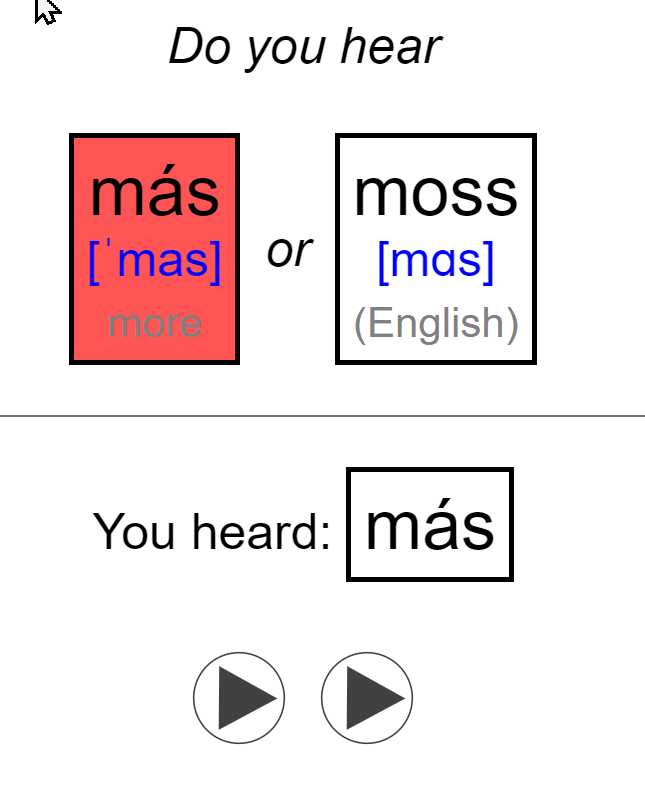
You will hear both words, and it will tell you which word you actually heard. Did you guess correctly? If you guessed right, press “Good.” If you guessed wrong, press “Again.”
If you guessed wrong, play the sound of each word individually and repeat them outloud. This will help your brain recognize the difference.
Sometimes you will have minimal pairs comparing an English word and a Spanish word. These flashcards help you distinguish between English pronunciation and Spanish pronunciation. Some sounds in Spanish are very similar to English but are slightly different. You can improve both your listening and pronunciation by recognizing the subtle differences between Spanish sounds and English sounds.
Sometimes you will have minimal pairs comparing two Spanish words. These flashcards help your brain distinguish between similar sounds in Spanish.
Final Notes
Catching up
If you fall behind on your flashcard study routine and need to catch up, you can configure Anki to give you extra flashcards. See this tutorial to learn how: How to catch up on your flashcards
Repeating words outloud
You should repeat the words outloud as much as possible. A lot of people get lazy and stop repeating the words. You will learn a lot better and a lot more if you repeat the words outloud every time you hear them. Your mouth needs to develop new muscles to pronounce these words. If you never say the words, the muscles you need to pronounce the words well will be weak, and you will have a bad accent. People don’t like to listen to you if you speak with a bad accent because it is very difficult to understand you. Some people will even laugh at you or make fun of you. That’s why I strongly recommend saying all the words outloud and imitating the voices of the native speaker as best you can.
Never pressing “Again”
There are a lot of students who ignore all of my instructions and just press “Good” or “Easy” for all flashcards. This is the worst way to study Anki flashcards. If you just press “Good” or “Easy” for every flashcard, you are telling Anki, “I already know and understand all of this information, and I never make mistakes.” This is not true. You do not know all of the information, and you probably make mistakes quite often. You must tell Anki when you don’t know something. Anki cannot read your mind. When you press the “Again” button, you are telling Anki that you forgot that information and need to practice it more.
IMPORTANT: If you are a student in my class, I check your Anki stats to see which buttons you are pressing when you study. If you never press “Again” I will send you an email and warn you once. If you continue wasting your flashcards, I will reset them and you will have to restart from the beginning.
Counting syllables
I notice that many students can spell short words but get very confused by long words. If you know how to count syllables, it will be much easier to spell long words.
Example: jabalí
Think of the Spanish word “jabalí,” for example. How many syllables does it have? It has 3 syllables. That means the word is made of three short sounds: “ja-ba-lí”
Can you spell “ja”? Ok, pretty easy right? Can you spell “ba”? Great, only one more syllable: “li.” Add all the syllables together and you get “jabalí.”
Example: gelatina
Think of the word “gelatina.” How many syllables does it have? It has 4 syllables. That means the word is made of four short sounds “ge-la-ti-na.”
Let’s follow the same process, one syllable at a time. Can you spell “ge”? Can you spell “la”? Can you spell “ti”? Can you spell “na”? Put all of the tiny words together, and you get “ge-la-ti-na.”
Leave a Reply
You must be logged in to post a comment.